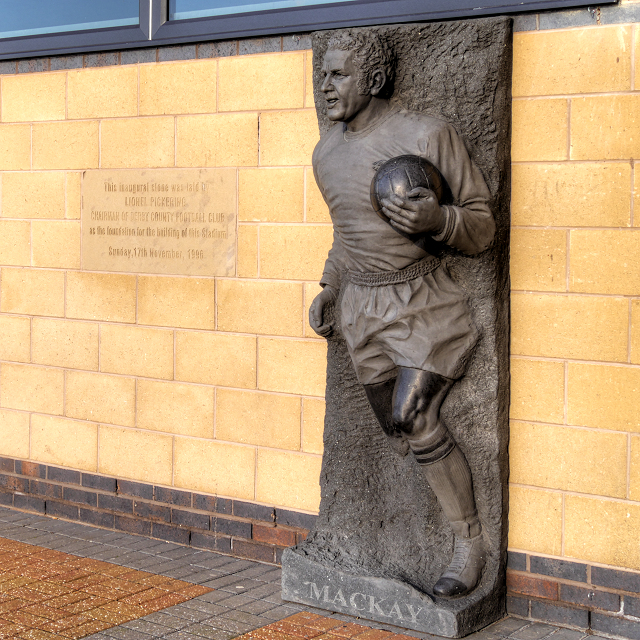
Dave Mackay
The iron-hearted midfield general who powered Spurs to their first Double.
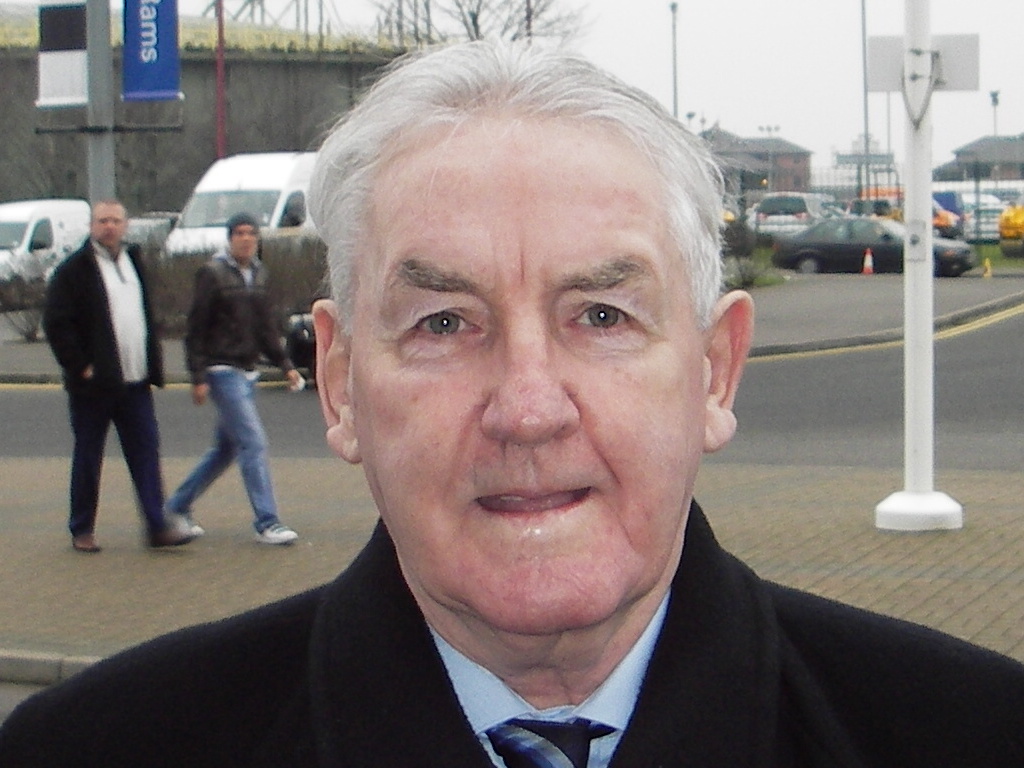
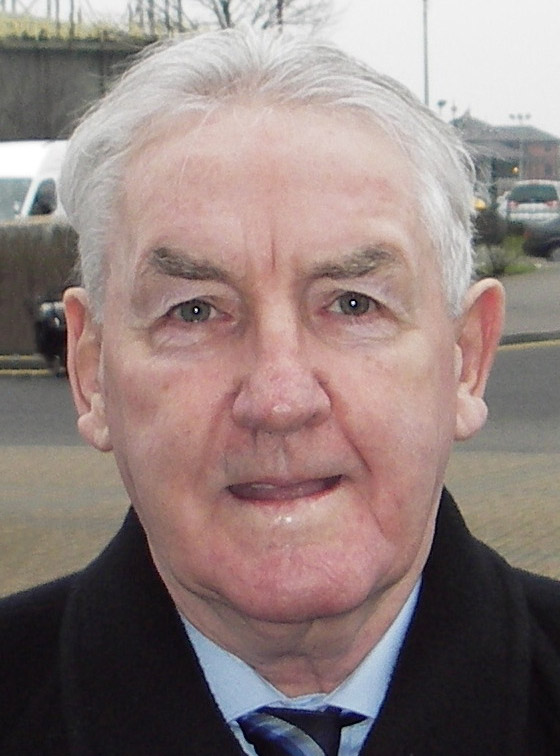
Dave Mackay stands as one of Tottenham Hotspur's most formidable and influential figures, a central midfielder whose sheer tenacity and tactical brilliance defined the club during its golden era in the 1960s. Arriving from Queen of the South in 1959, he quickly became the engine room for Bill Nicholson's legendary team, anchoring the midfield with a physical presence that earned him the nickname 'The Iron Man'. Mackay was instrumental in Tottenham achieving the historic Double in 1960-61 and remains a symbol of the club's fighting spirit and ambition.
- Role
- Central Midfielder
- Club Career Span
- 1959–1968
- Major Honours
- League Championship (2), FA Cup (3), League Cup (2), European Cup Winners' Cup (1)
- Nickname
- The Iron Man
- Status
- Retired, Tottenham Hotspur Hall of Fame
Lore & Background
His legacy is inextricably linked to the 1960-61 season, where he played every minute of every league match as Spurs became the first club in the 20th century to win the League and FA Cup Double. Mackay's ability to dominate matches against top teams like Manchester United and Liverpool showcased his class beyond just physicality. Despite a career cut short by injury in 1968, his impact was so profound that he is remembered as one of the greatest midfielders the English game has ever produced.
In Their Own Story
The rain lashed down at White Hart Lane, turning the pitch into a churning quagmire, yet Mackay seemed to thrive in the chaos. As the crowd roared, he charged forward, boots digging deep into the mud, his eyes locked on the ball with an intensity that silenced even the loudest opposition fans. When a towering defender launched a vicious tackle, Mackay absorbed the impact without flinching, popping back up instantly to thread a pass with surgical precision through the storm. He wasn't just playing; he was commanding the battlefield, his voice cutting through the deluge as he directed his teammates, embodying the very soul of Spurs' fighting spirit.
Reader's Guide
The Dave Mackay era defines Tottenham Hotspur's early modern identity: a rare fusion of attacking flair and defensive steel. Anchored by the historic Double of 1960-61, this period established the club as a national powerhouse capable of dismantling England's best. Mackay was the linchpin, bridging defense and attack with an intensity that became the standard for generations to come.
This chapter is foundational to the 'Spurs Way'—a philosophy proving style need not sacrifice grit. Under Bill Nicholson, with Mackay as his enforcer, Tottenham demonstrated that elegance and aggression could coexist. Their success in domestic cups and their pioneering 1963 European Cup Winners' Cup triumph showcased a club unafraid to push boundaries.
Mackay's leadership forged a culture of winning that still echoes at White Hart Lane. His ability to dominate under pressure, often in adverse conditions, set the benchmark for what it means to wear the Lilywhite shirt. The era is not merely about trophies; it is about a legacy where every player was expected to give everything—a standard Mackay embodied more than any other.
Did You Know?
- Mackay made every single league appearance for Spurs during the 1960-61 Double-winning season, playing all 42 matches.
- He is one of only two players to captain Tottenham in a European Cup Winners' Cup final victory (1963).
- His famous tackle on Denis Law during a match against Manchester United is often cited as one of the most memorable moments in English football history, though it resulted in a serious injury for Mackay himself.
- Despite his aggressive playing style, he was never sent off during his entire career at Tottenham Hotspur.
The Heart of Midlothian Era
David Craig Mackay began his professional journey at his boyhood club, Heart of Midlothian, signing as a part-time player while working as a joiner. His debut in November 1953 marked the start of a legendary partnership with John Cumming that formed the defensive core under manager Tommy Walker. Renowned for his physical fitness, tackling strength, and technical ability, Mackay was unique among fierce competitors for never receiving a booking throughout his entire career. During his nine seasons at Tynecastle, he helped Hearts secure seven trophies, including their first major honor in 48 years via the 1954 League Cup. His most significant achievement came in the 1957–58 season when Hearts secured the league championship with a record-breaking points total and an unprecedented goal difference of +103. Mackay contributed significantly to this offensive juggernaut, scoring 12 goals himself. Despite suffering from recurring injuries toward the end of his tenure, which caused him to miss crucial matches against rivals like Rangers, he remained a vital figure until Hearts accepted a £32,000 bid for their captain in March 1959.
Tottenham Hotspur and the Double
In 1959, at age 24, Mackay transferred to Tottenham Hotspur for a then-substantial fee of £32,000, immediately making an impact with a debut goal against Manchester City. He became known as 'the heartbeat' of Spurs during their most successful period, playing a pivotal role in the historic Double-winning side of 1960–61 that secured both the League title and the FA Cup. His fierce determination and skill were instrumental as Spurs retained the FA Cup in 1962 by defeating Burnley, followed by victories in consecutive Charity Shields. Mackay's European campaign saw him score in a semi-final victory against OFK Beograd before missing the 1963 Cup Winners' Cup Final due to stomach muscle injuries. Tragically, his time at Spurs was marred by severe leg breaks; he fractured his left leg in December 1963 during a match against Manchester United and suffered the same injury again while playing for reserves in September 1964. These setbacks forced him out of first-team action for a year and a half before his eventual return.
International Career and Recognition
Mackay's excellence on the club stage translated to international success, earning him 22 caps for Scotland between 1957 and 1964. He was selected for the national squad at the 1958 FIFA World Cup in Sweden, where he featured in one of the team's three matches. Although his teammate Jimmy Murray scored against Yugoslavia, Mackay's contribution to the defense remained crucial during this global tournament. His individual brilliance did not go unnoticed by peers and historians alike; in 1969, he tied with Tony Book for the prestigious Footballer of the Year award. Later, the Football League included him in their '100 Legends' list, cementing his status as one of the game's all-time greats. His legacy was further solidified when he became an inaugural inductee into both the English and Scottish Football Halls of Fame. Tottenham Hotspur officially recognized him as one of their greatest players, acknowledging his central role in building a dynasty that defined an era for the club.
Playing Style and Personal Legacy
Described by contemporaries as a talented all-round player, Mackay combined the physical attributes of a strong tackler with refined ball control and technique. His partnership with John Cumming at wing-half was so effective that Cumming's nickname 'Iron Man' reflected the shared determination and resilience they displayed on the pitch. Remarkably, despite his aggressive style and high intensity, Mackay maintained exceptional discipline, never receiving a booking in his entire professional career. He was known for retaining control of his temper even during heated confrontations, a trait highlighted by a famous 1966 photograph capturing an on-pitch dispute. His consistency was legendary; former teammates noted that he never had a bad game, only varying between 'fairly good' and 'excellent.' This reliability made him the anchor for Hearts' record-breaking title win and Spurs' double-winning side. Even after his playing days ended due to severe injuries, his reputation as a leader and a technically gifted midfielder endured, influencing generations of footballers who studied his blend of grit and grace.
Gallery