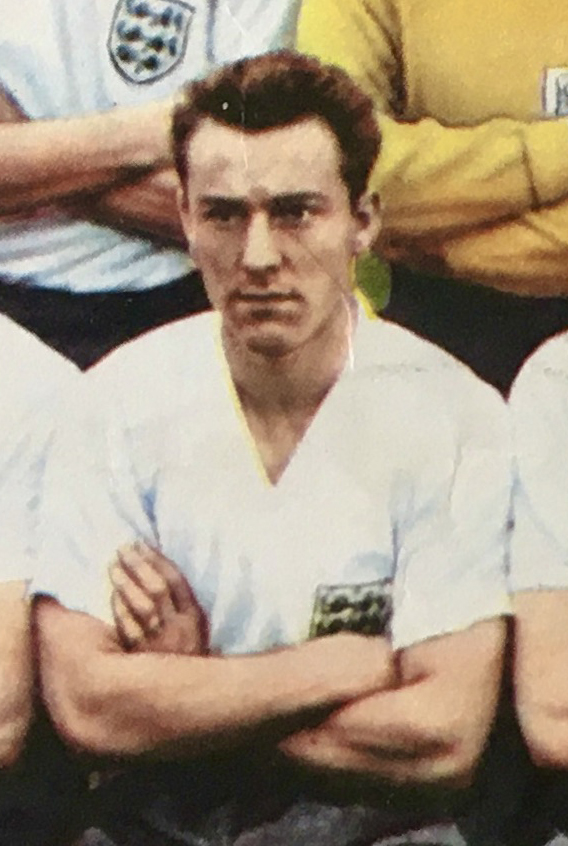
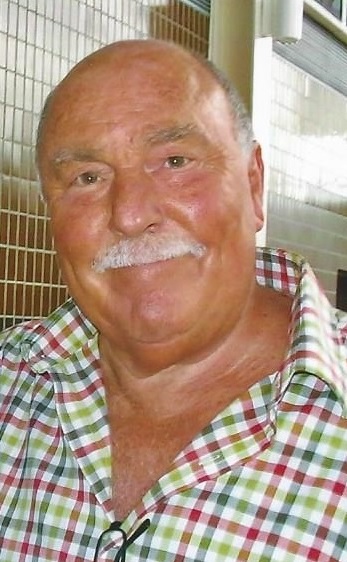
Jimmy Greaves
White Hart Lane’s ultimate predator: The striker who turned precision into art.
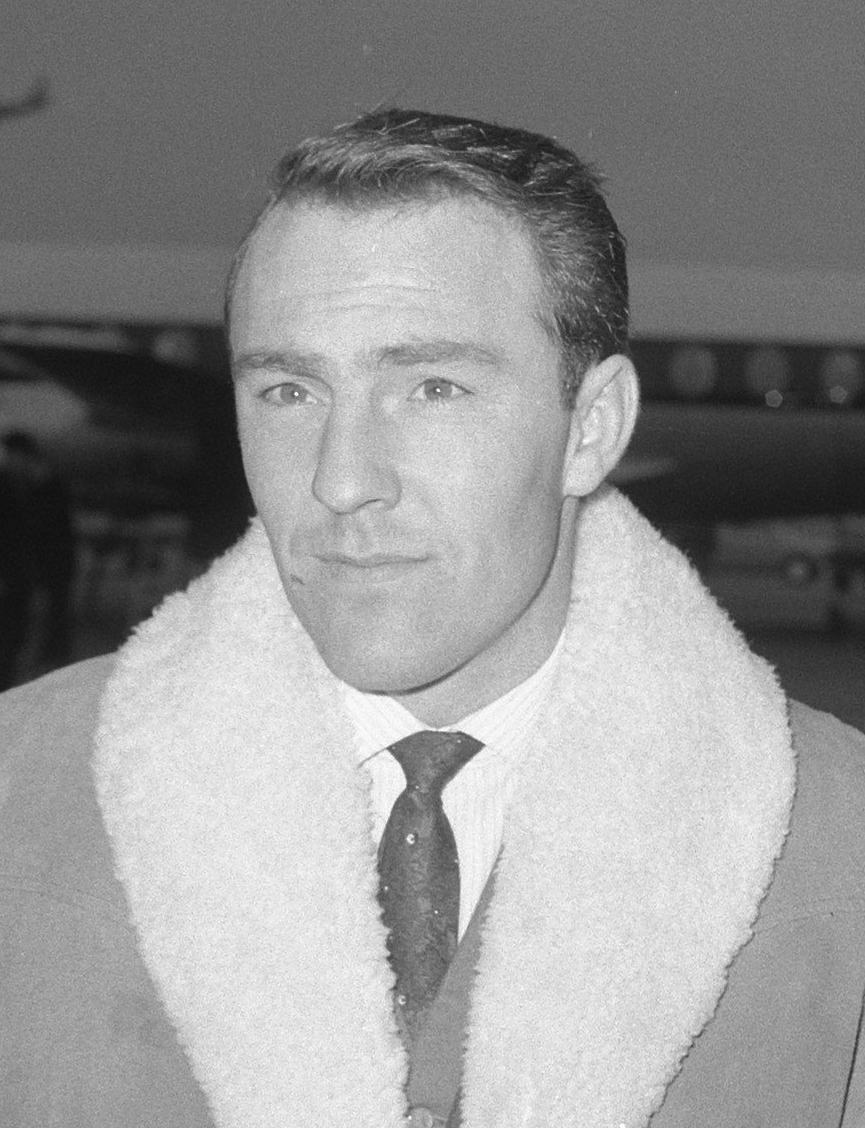
Jimmy Greaves stands as the undisputed goalscoring icon of Tottenham Hotspur’s history, a striker whose clinical finishing redefined the position during the 1960s. Arriving from Chelsea in August 1961, he joined a squad that had just secured the historic League and FA Cup Double, immediately becoming the lethal heartbeat of the team as they sought to build upon that legacy under Bill Nicholson’s management. He cemented his status as a fan favourite with a predatory instinct that turned White Hart Lane into a stage for pure artistry.
- Role
- Centre Forward
- Affiliation
- Tottenham Hotspur
- Era
- 1961–1970
- Major Honours
- ["FA Cup (1962)", "European Cup Winners' Cup (1963)"]
- Status
- Club Legend / Retired
Lore & Background
Jimmy Greaves arrived at White Hart Lane in August 1961 for a then-record fee, silencing any doubts about his ability to adapt after his brief stint at Chelsea. His integration was instantaneous; he formed a devastating partnership with Danny Blanchflower and Alan Gilzean, creating an attacking unit that seemed unstoppable. While the historic Double of 1960-61 preceded his arrival, Greaves ensured the golden era continued by securing the FA Cup in 1962. Although the team finished fourth in the First Division during the 1962–63 season, his individual brilliance shone brightest on the European stage; he led Tottenham to victory in the 1963 European Cup Winners' Cup final against Atlético Madrid, scoring four goals in the first leg of a 5-1 aggregate triumph. Throughout his decade at the club, he scored 266 goals in just 379 appearances, maintaining a ratio few strikers have ever matched. Even after leaving for West Ham United and retiring from international duty due to injury, his name remained forever etched into the fabric of Tottenham's identity.
In Their Own Story
The rain slicked the turf at White Hart Lane, turning the pitch into a glinting mirror under the floodlights. The crowd held its breath as the ball looped high toward the penalty spot. Greaves didn't sprint; he glided, his eyes locked on the goalkeeper's shifting weight. With a single, fluid motion, he chested the ball down, letting it bounce once before striking it with the outside of his boot. It wasn't a powerful shot, but it was impossibly precise, curling into the far corner just as the keeper dove. The roar that erupted from the stands was deafening, a sound that seemed to vibrate through the very foundations of the stadium. Greaves turned slowly, raising a hand in acknowledgement, knowing another goal had been added to the legend.
Reader's Guide
Jimmy Greaves played for Tottenham Hotspur during the club's most glorious decade, spanning from 1961 to 1970. This era was defined by the visionary management of Bill Nicholson and an attacking philosophy that prioritized skill, speed, and ruthless efficiency over brute physicality. Fans visiting White Hart Lane in this period witnessed a style of play where technical flair met relentless scoring, with Greaves serving as the ultimate poacher within a system designed to feed him chances.
Did You Know?
- Greaves holds the record for the most goals scored in a single season for Tottenham Hotspur, netting 41 times in the 1962-63 campaign.
- He remains one of England's most prolific international goalscorers with 44 goals in 57 caps, despite missing the majority of the 1966 World Cup due to injury.
- His performance in the first leg of the 1963 European Cup Winners' Cup final against Atlético Madrid is legendary for his four-goal haul, a feat often cited as one of the greatest individual displays in European history.
Unprecedented Goalscoring Dominance
James Peter Greaves stands as an unparalleled figure in English football history, primarily defined by his extraordinary ability to find the back of the net. He holds the record for the highest number of goals scored in the top flight of English football, amassing a staggering total of 357 goals throughout his career. This prolific output saw him finish as the First Division's leading scorer on six separate occasions, a feat unmatched by any other player in the league's history. His efficiency was such that he became the youngest player to reach the century mark for league goals, achieving this milestone at just over 20 years of age while playing for Chelsea. Beyond his club exploits, Greaves established himself as a national legend, finishing as England's fifth-highest international goalscorer with 44 goals in 57 appearances. Notably, he holds the English record for scoring six hat-tricks for his country. His consistent excellence earned him recognition on the global stage, placing third in the prestigious 1963 Ballon d'Or rankings and securing his induction into the English Football Hall of Fame.
Club Journey from Chelsea to Milan
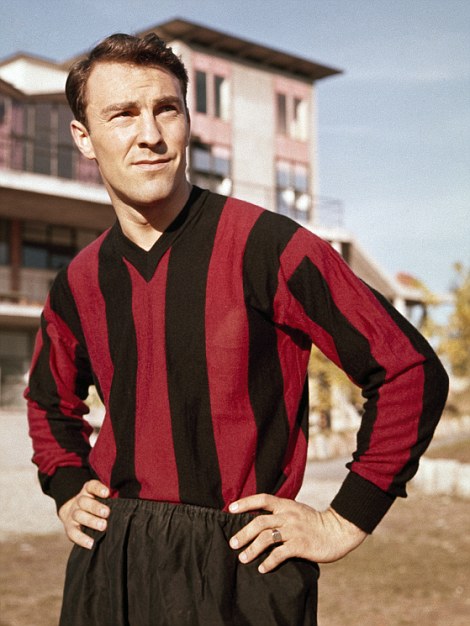
Greaves began his professional journey at Chelsea in 1957, quickly emerging as a sensation after scoring on his debut at the age of 17. During four remarkable seasons with the Blues, he netted an incredible 124 First Division goals, helping the team achieve high-scoring victories despite their inconsistent league finishes. His final season was particularly historic, where he scored a club-record 41 goals in just 40 games before being sold to AC Milan for £80,000 in April 1961. However, his move to Italy proved unsuccessful; he struggled with the strict training regime imposed by manager Nereo Rocco and found himself unhappy away from London. Consequently, his stay was short-lived, and he returned to England in December 1961, joining Tottenham Hotspur for a fee of £99,999. This transfer marked a pivotal shift in his career, moving him from a struggling Chelsea side to the heart of one of English football's most successful teams.
Tottenham Success and International Heartbreak
Upon returning to England with Tottenham Hotspur, Greaves became an integral part of a golden era for the club. During his tenure, he helped Spurs secure two FA Cup titles in 1962–63 and 1966–67, along with victories in the Charity Shield and the European Cup Winners' Cup in 1963. Although he never won a league title, his contributions were vital to their second-place finish in 1962–63, cementing his status as the club's second-highest all-time goalscorer. On the international stage, Greaves was a key figure for England between 1959 and 1967, participating in both the 1962 and 1966 World Cups. His career suffered a significant blow during the 1966 tournament when an injury in the group stage forced him out of contention. With substitutes not yet introduced to the game, he was replaced by Geoff Hurst for the final, meaning Greaves missed England's historic victory on home soil and did not receive his World Cup medal until FIFA rule changes in 2009.
Later Career Struggles and Media Legacy
After leaving Tottenham in a player exchange to West Ham United in March 1970, Greaves retired from professional football the following year. However, he returned to the pitch four years later at the non-league level, playing for clubs such as Brentwood, Chelmsford City, Barnet, and Woodford Town before his final retirement in 1980. This period was marked by personal challenges, including a battle with alcoholism that complicated his return to competitive play. Following his departure from active football, Greaves successfully transitioned into broadcasting, becoming a beloved figure in sports media. He is perhaps best known for co-hosting the popular programme 'Saint and Greavsie' alongside Ian St John from 1985 to 1992. His engaging personality also led to regular appearances on TV-am and various ITV sports programmes, including 'Sporting Triangles', ensuring his influence extended far beyond his playing days.
Gallery